


 152
/
2
Min Read
152
/
2
Min Read


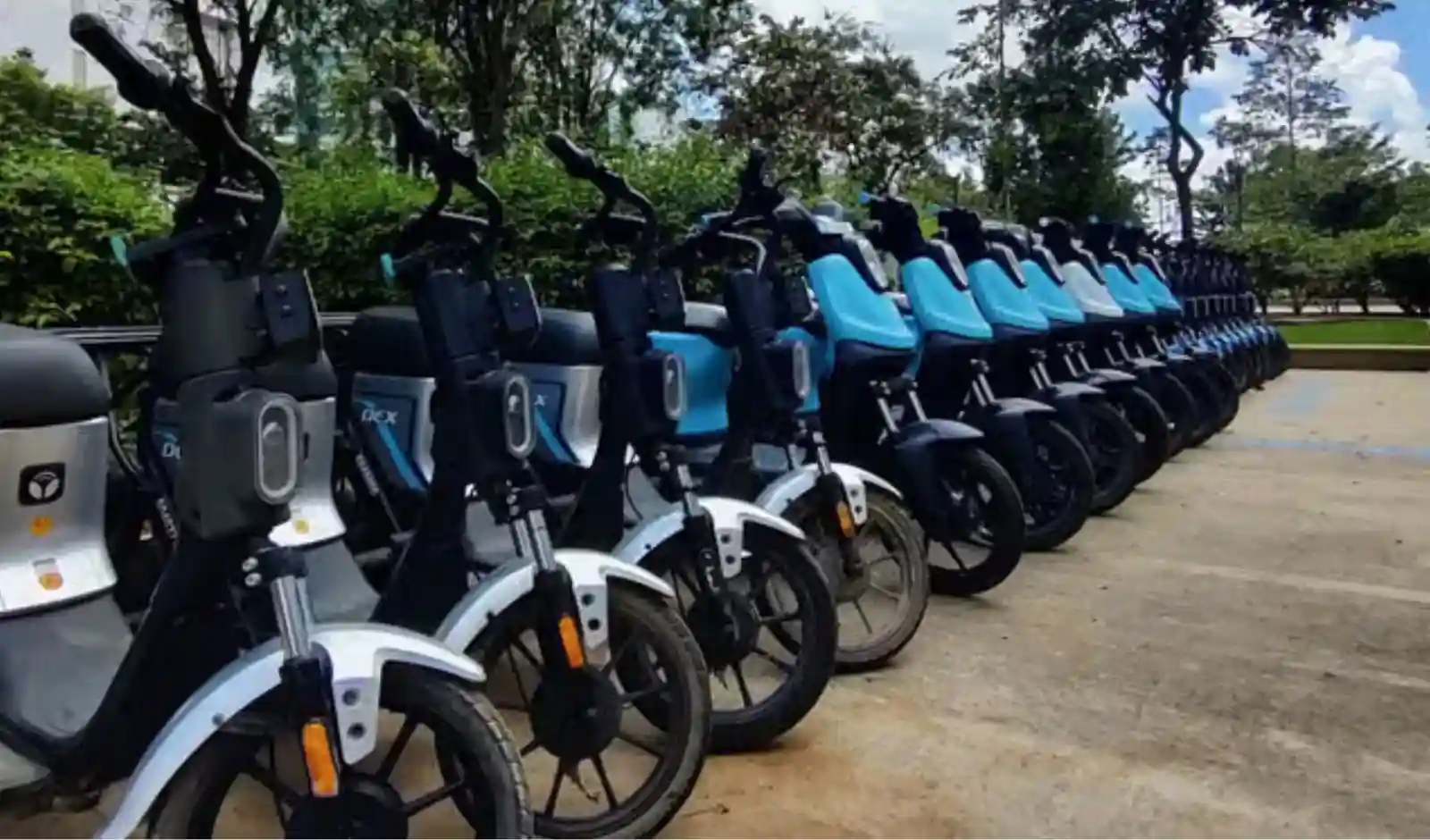
Electric mobility startup Yulu is preparing for a mainboard IPO as it works towards scaling its business and strengthening its financial performance. According to co-founder and CEO Amit Gupta, the company expects to become ready for the public markets once its annual revenue reaches around Rs 1,200-1,500 crore. Yulu recently raised $93 million (around Rs 780 crore) in a Series C funding round, comprising $63 million in equity and $30 million in debt. Gupta said the company has been EBITDA profitable since April 2025 and expects to achieve PAT profitability next year.
The latest funding will be used to expand Yulu fleet, enter new cities and build infrastructure for its urban mobility and logistics operations. The company is also looking to increasingly balance equity and debt financing. Gupta said Yulu has raised around $10 million in debt since achieving EBITDA profitability. Once the company reaches PAT profitability, it expects to fund its capital expenditure primarily through debt.
Yulu aims to expand its fleet to 200,000 vehicles over the next two years. The company currently operates across 12 cities, with direct operations in four cities and franchise operations in eight. It plans to expand to 20 cities over the next 12 months. Quick commerce currently contributes around 50% of Yulu’s revenue, while food delivery and other quick-service categories account for a significant share of the remaining business. Yulu is also expanding its product portfolio with Yulu Express, a two-seater, higher-payload vehicle, alongside its existing single-seat low-speed models.
The expansion of Yulu fleet will also increase demand for battery-swapping infrastructure through Yuma, its joint venture with Magna. Currently, each Yulu bike requires around 1.5 battery swaps per day. At a fleet size of 200,000 vehicles, Yuma could handle around 350,000-400,000 swaps per day for Yulu alone, while total swapping volumes could reach 500,000-600,000 per day when other customers are included. Gupta said Yulu competitive advantage lies in vehicle reliability, data, infrastructure and customer trust. The company also plans to return to its original focus on passenger mobility and first- and last-mile connectivity in the future.


