


 130
/
2
Min Read
130
/
2
Min Read


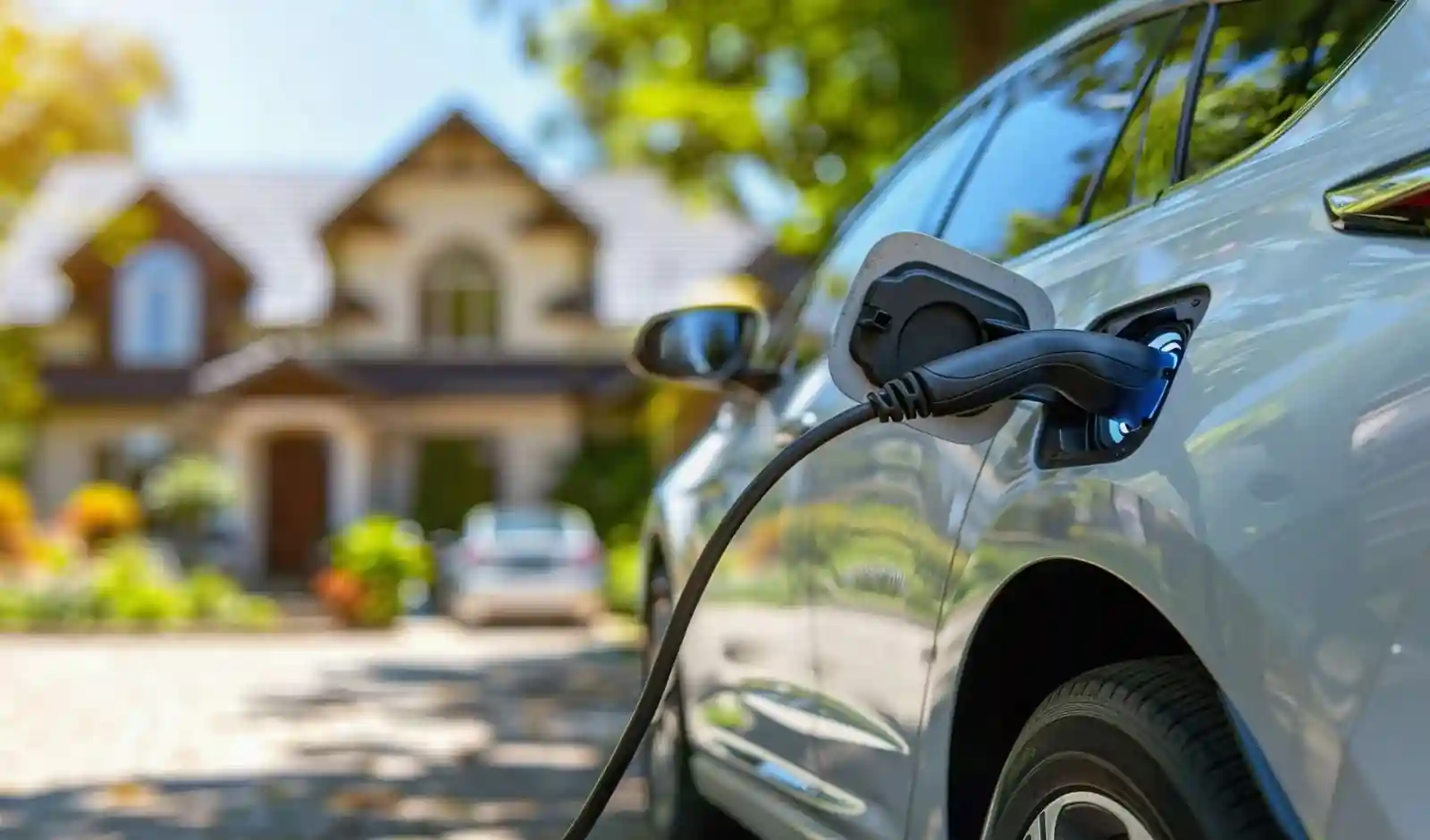
Uttarakhand has emerged as the leading Himalayan state in electric vehicle (EV) charging infrastructure. According to the state government, a total of 221 EV charging stations have been installed across Uttarakhand over the past five years, comprising 84 fast chargers and 137 standard chargers.
Transport Minister Pradeep Batra said the number of electric vehicles in the state is also rising rapidly. The number of registered EVs in Uttarakhand has reached 1.04 lakh, with more than 58,000 electric vehicles added over the past three years.
The minister said the state government is continuously expanding its charging network as EV adoption increases. According to him, Uttarakhand is significantly ahead of other Himalayan states in terms of charging infrastructure.
Official figures show that Jammu and Kashmir has 180 charging stations, Himachal Pradesh 133, Meghalaya 62, Manipur 58, Tripura 55, Sikkim 12 and Ladakh one. Uttarakhand has therefore maintained a clear lead despite the challenges of developing infrastructure across difficult terrain and dispersed settlements.
The state government said the expansion of the charging network will help reduce range anxiety among residents, commercial operators and tourists. The need for reliable charging infrastructure is particularly important in Uttarakhand due to heavy seasonal traffic linked to tourism and pilgrimage.
Uttarakhand aims to develop a robust and convenient EV charging network, with a particular focus on fast-charging facilities along major tourism corridors and Char Dham pilgrimage routes.
Under the Centre’s FAME-II scheme, 61 additional charging units have also been installed in the state. These facilities are focused on high-traffic routes to make intercity EV travel easier and ensure adequate charging access during the Char Dham pilgrimage season.
The transport minister highlighted the importance of fast chargers as they can significantly reduce vehicle charging time. The government’s focus is not limited to charging infrastructure and also includes the electrification of public transport.
State transport corporation buses will be converted to electric buses in phases. The government is also exploring options to retrofit older buses with electric powertrains.
According to the Transport Department, annual electricity consumption related to EVs in the state currently stands at around 1.57 million units. This is projected to increase to 2.36 million units in 2026-27, 7.44 million units in 2027-28 and 23.48 million units in 2028-29.
The state government believes that promoting EVs and green mobility will help reduce pollution and dependence on fossil fuels while supporting a cleaner and more sustainable environment in Uttarakhand.


