


 174
/
2
Min Read
174
/
2
Min Read


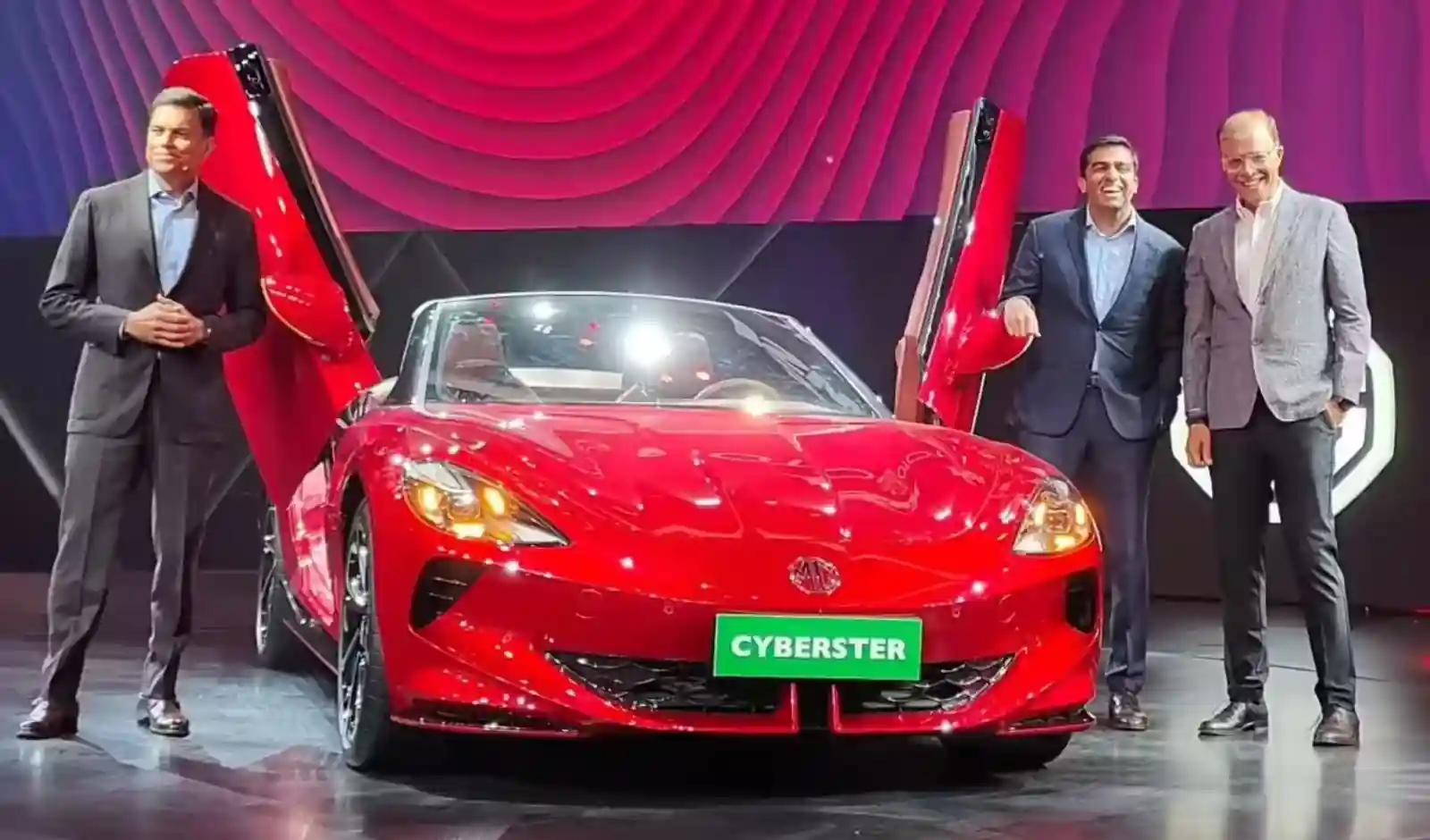
JSW MG Motor plans to invest 30–40 billion rupees ($330–$440 million) in the coming years to strengthen its presence in India, focusing on launching new hybrid and electric vehicles and expanding production capacity. Managing Director Anurag Mehrotra said the investment will support new model launches and scale up manufacturing.
The company is a joint venture between China’s SAIC Motor and India’s JSW Group. It aims to increase annual production capacity at its existing plant from about 120,000 units to 300,000 units and plans to launch three to four new models this year.
Mehrotra said the initial funding will come from internal accruals, with debt and equity options to be considered later. The company is also focusing on deeper localisation of components to reduce costs, foreign exchange exposure, and dependence on imports.
India, the world’s third-largest car market, has attracted significant investment from global automakers such as Toyota, Suzuki, and Renault. However, Chinese players have faced investment restrictions, limiting expansion, although BYD and SAIC continue to sell vehicles in the country.
Government filings showed the company’s losses widened to $121 million in the financial year ending March 2025, though sales improved. The automaker sold 70,500 vehicles in 2025, up from 61,000 units in 2024.
JSW MG Motor aims for hybrid and electric vehicles to account for more than 75% of its portfolio. Mehrotra expects new energy vehicles to make up around 30% of India’s total car sales by 2030.
He also noted improving ties between India and China, citing greater cooperation on visas and flights, though geopolitical risks remain. Relations between New Delhi and Beijing could influence the industry’s future outlook.


