


 205
/
2
Min Read
205
/
2
Min Read


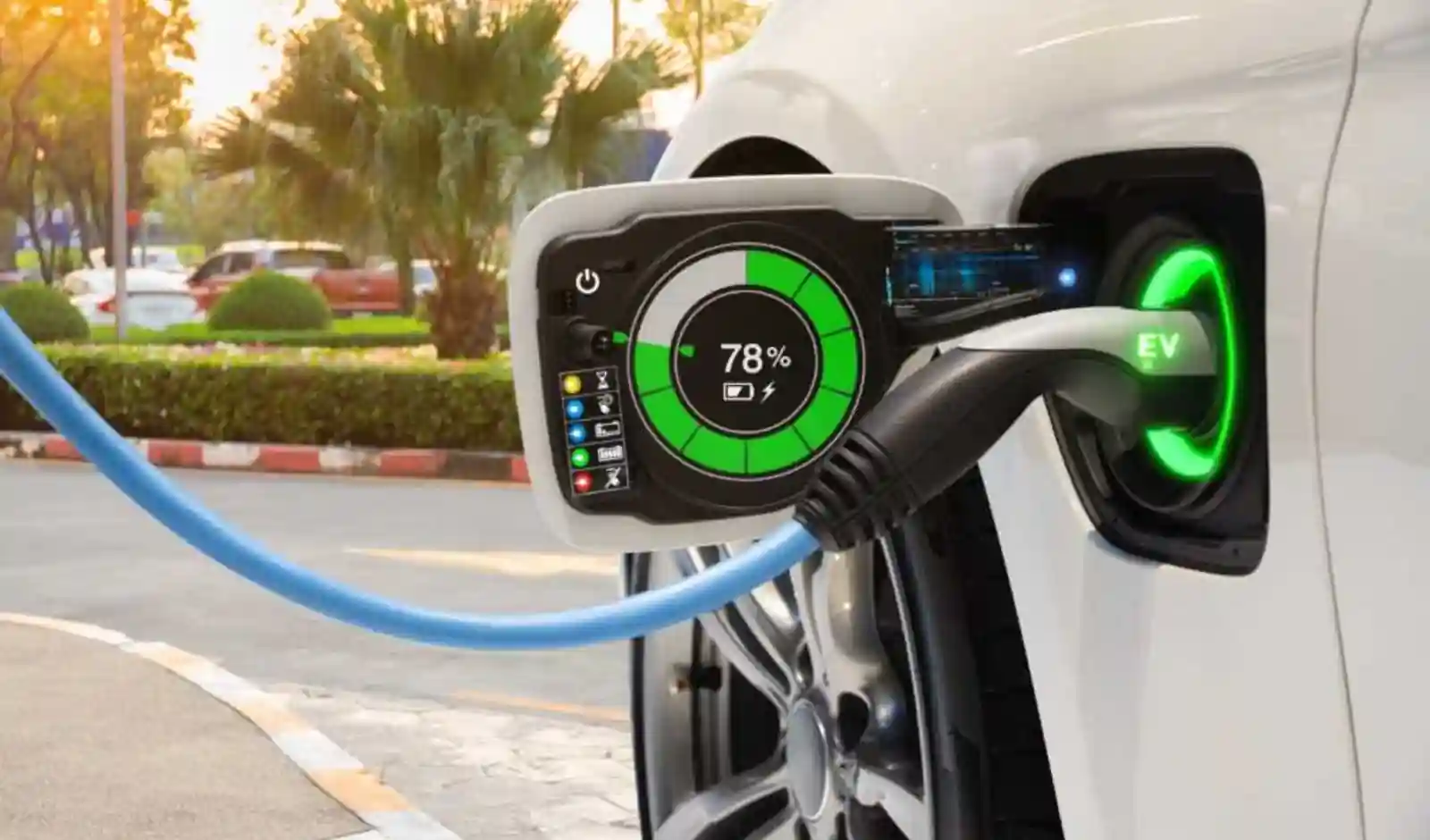
The use of electric vehicles (EVs) in India has seen a steady rise between the financial years 2019-20 and 2024-25, with registered EVs increasing from 1.74 lakh in 2019-20 to 19.68 lakh in 2024-25.
To further strengthen this growth, the Ministry of Heavy Industries (MHI) has launched several initiatives to boost domestic manufacturing and EV infrastructure. Key schemes include:
PLI-Auto Scheme: Approved on 15 September 2021 with a budget allocation of ₹25,938 crore, aimed at promoting domestic manufacturing of Advanced Automotive Technology (AAT) products.
PLI-ACC Battery Scheme: Notified on 12 May 2021 with a budget of ₹18,100 crore, targeting the establishment of 50 GW cumulative ACC battery manufacturing capacity in India.
PM E-Drive Scheme: Notified on 29 September 2024 with a budget of ₹10,900 crore, encouraging sales of e-2W, e-3W, e-ambulances, e-trucks, and e-buses, while also supporting charging infrastructure development.
REPM Scheme: Notified on 15 December 2025 with a budget of ₹7,280 crore, to establish a 6,000 metric ton per year production capacity for Rare Earth Permanent Magnets in India, aiming for self-reliance and global market presence.
PSM Scheme: Notified on 28 October 2024 with a budget of ₹3,435.33 crore, supporting the deployment of over 38,000 electric buses and ensuring payment security for operators.
SPMEPCI Scheme: Notified on 15 March 2024 to promote domestic manufacturing of electric passenger cars, requiring a minimum investment of ₹4,150 crore.
The MHI stated that these initiatives aim to make India self-reliant in EV manufacturing, attract investment, and strengthen the country’s position in the global electric vehicle market.


