


 108
/
1
Min Read
108
/
1
Min Read


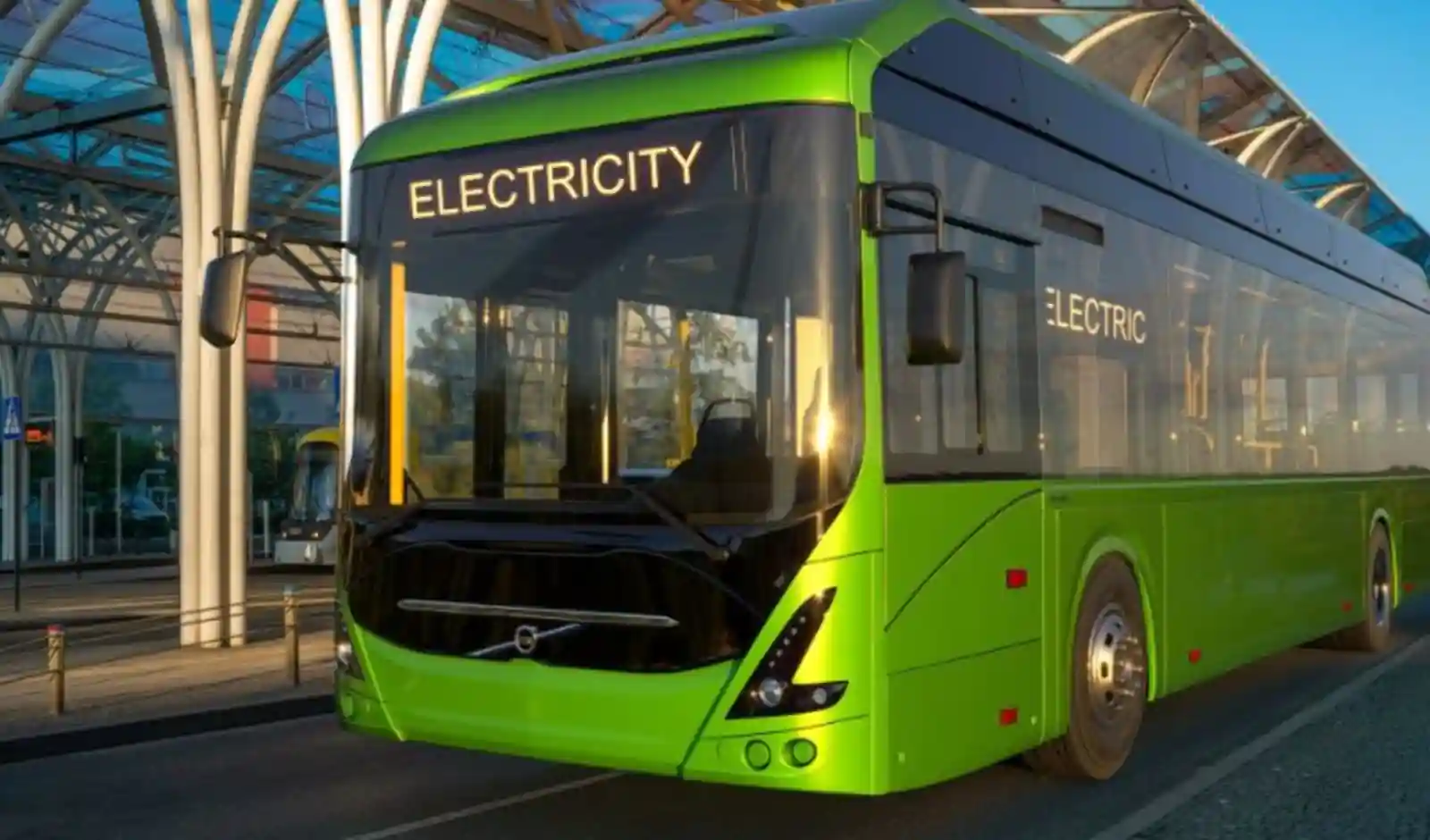
India bus industry is rapidly moving toward electrification, supported by government procurement programmes, falling battery costs, and expanding charging infrastructure, according to a KPMG in India report released in May 2026.
As of March 2026, around 16,300 electric buses were operational in India, while nearly46,000 buses have been ordered under various government schemes. Over the past six years, approximately 62,000 electric bus tenders have been issued, largely driven by state transport undertakings and public procurement programmes.
Key government initiatives such as FAME I, FAME II, PM-eBus Sewa, and PM E-DRIVE have played a crucial role in accelerating adoption, along with increased investments in depot infrastructure and charging networks. However, the report highlights a significant gap between tenders awarded and actual deployment due to supply chain dependencies, limited charging infrastructure, and payment delays from state transport bodies.
To address financial risks, the government has introduced measures like the Payment Security Fund under PM-eBus Sewa. The report also notes that electric buses have already achieved cost competitiveness with diesel and CNG buses in urban operations, and their penetration is expected to rise to 35–40% by FY35, with public transport electrification potentially exceeding 85% in the long term.


