


 53
/
2
Min Read
53
/
2
Min Read


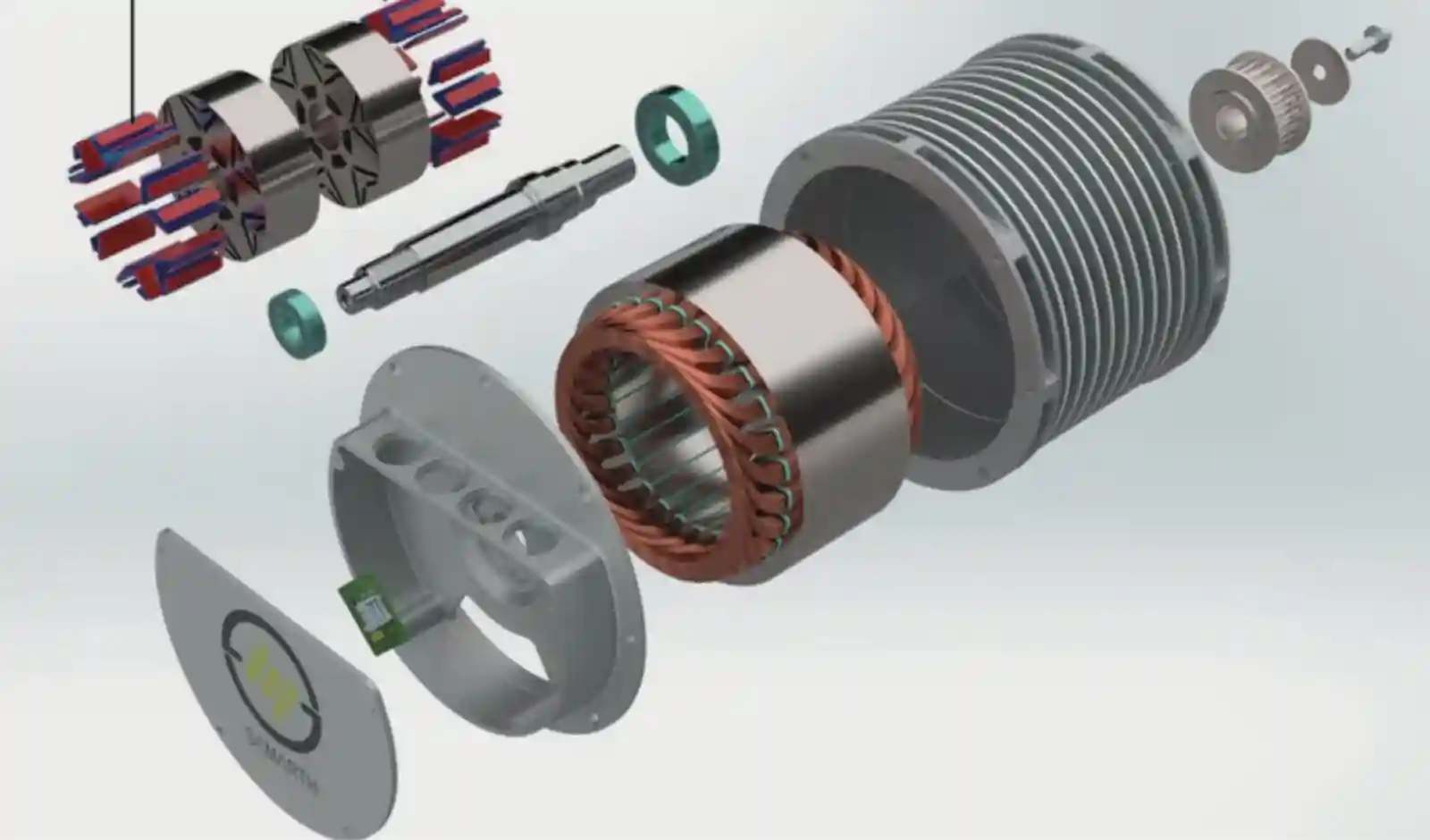
Ahmedabad-based EV startup Samarth E-Mobility has announced the development of a fully indigenous full-stack electric vehicle technology platform designed and manufactured entirely in India. According to the company, the platform covers all major components from battery systems to software and will underpin its first electric motorcycle, which is expected to launch in 2026.
The company stated that the platform integrates nine key components developed in-house, including a battery pack, battery management system (BMS), motor, motor controller, power control module, DC-DC converter, an onboard fast charger with approximately 1,500W charging capacity, an instrument cluster, and a proprietary operating system. The battery pack has received homologation from National Automotive Test Tracks, while the BMS has been tested and validated by International Centre for Automotive Technology.
Co-founder Priyank Rakholiya said that India’s EV transition requires strong indigenous engineering and products designed specifically for Indian riders. He noted that the company has spent the last three years developing its entire technology stack internally, including battery systems, software architecture, motors, and power electronics.
According to the company, the technology platform has undergone more than 51,000 km of real-world riding tests and over 3,400 km of structured durability testing to ensure reliability under Indian road and climate conditions.
Samarth E-Mobility’s engineering team of over 100 professionals operates from its R&D facility in Kalol, Gujarat. The company is also working on developing a rare-earth-free motor, which could reduce reliance on materials largely sourced from China and help lower production costs.
For manufacturing, the company operates a production facility spanning over 150,000 sq. ft. in Chhatral, Gujarat. The plant reportedly has a monthly production capacity of more than 45,000 electric two-wheelers and an annual capacity exceeding 500,000 units.
The startup is targeting the 125cc–200cc internal combustion motorcycle replacement segment, a category that represents a large share of India’s motorcycle market but currently has limited electric alternatives.
India’s electric two-wheeler market has expanded rapidly in recent years, supported by government initiatives such as the FAME Scheme and Atmanirbhar Bharat, which encourage local manufacturing and EV adoption.
The company has not yet disclosed the pricing, specifications, or an exact launch date for its upcoming motorcycle, but it plans to position the product in the premium aspirational segment.


