


 179
/
2
Min Read
179
/
2
Min Read


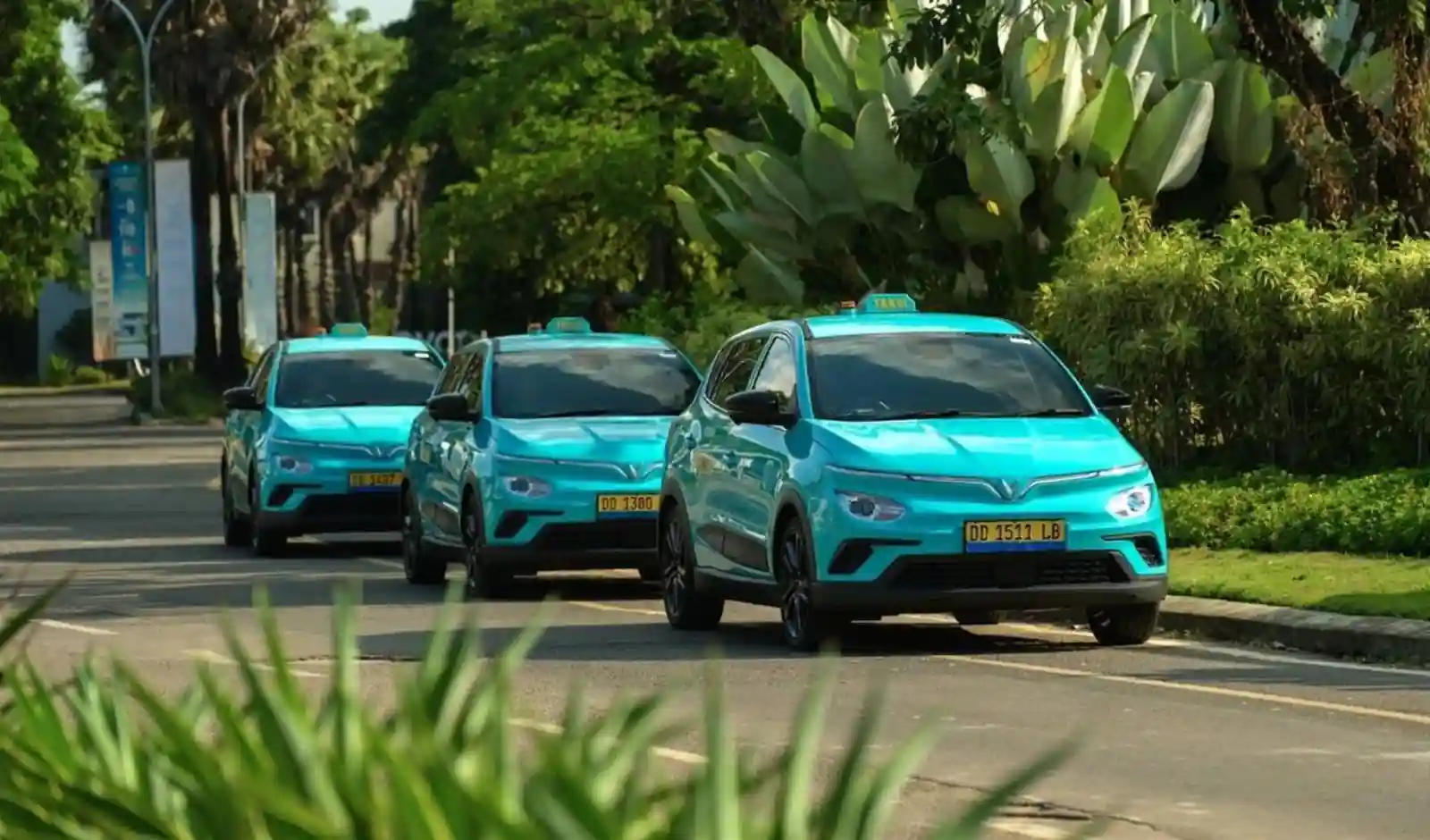
India’s rapidly evolving consumer aspirations and maturing digital economy are reshaping expectations across the urban mobility sector, with both passengers and drivers increasingly prioritizing quality, reliability, and trust over price alone. According to an industry white paper released by Vingroup, the parent company of Southeast Asian electric ride-hailing operator Green SM, long-term competitiveness in the market will be driven by service excellence rather than aggressive discounting.
The report cites data from Deloitte’s Global Consumer Tracker, highlighting that India’s growing middle class now places greater importance on customer experience, vehicle cleanliness, and service reliability when choosing transportation options. As a result, demand is rising for well-maintained vehicles, transparent pricing models, and professional driver behavior across ride-hailing platforms.
This trend aligns with findings from KPMG India’s Customer Experience Report, which identifies service quality and platform consistency as the leading factors influencing customer loyalty within the broader digital economy. The findings suggest that consumers are increasingly willing to prioritize a superior service experience over lower fares.
At the same time, significant changes are taking place on the supply side of the platform economy. NITI Aayog estimates that India’s gig workforce will reach 23.5 million by 2030, with ride-hailing drivers representing one of the largest segments.
Research from the International Labour Organization (ILO) indicates that platform drivers are increasingly seeking predictable earnings, fair treatment, and institutional support rather than simply maximizing trip volumes. This shift is gradually transforming ride-hailing from a flexible gig activity into a more structured and sustainable professional career option.
Amid these changing market dynamics, Green SM, Vingroup’s electric mobility arm, has initiated pilot operations in New Delhi and Gurugram. Having established a presence in multiple Southeast Asian markets, the company operates through a model built around corporate-trained drivers, advanced tracking technologies, and standardized service protocols.
According to industry analysis by RedSeer, experience-led differentiation is expected to become a major driver of the next phase of urban mobility growth. The trend could help raise operational standards across the sector while improving service quality and working conditions for both commuters and drivers in India.


