


 285
/
3
Min Read
285
/
3
Min Read


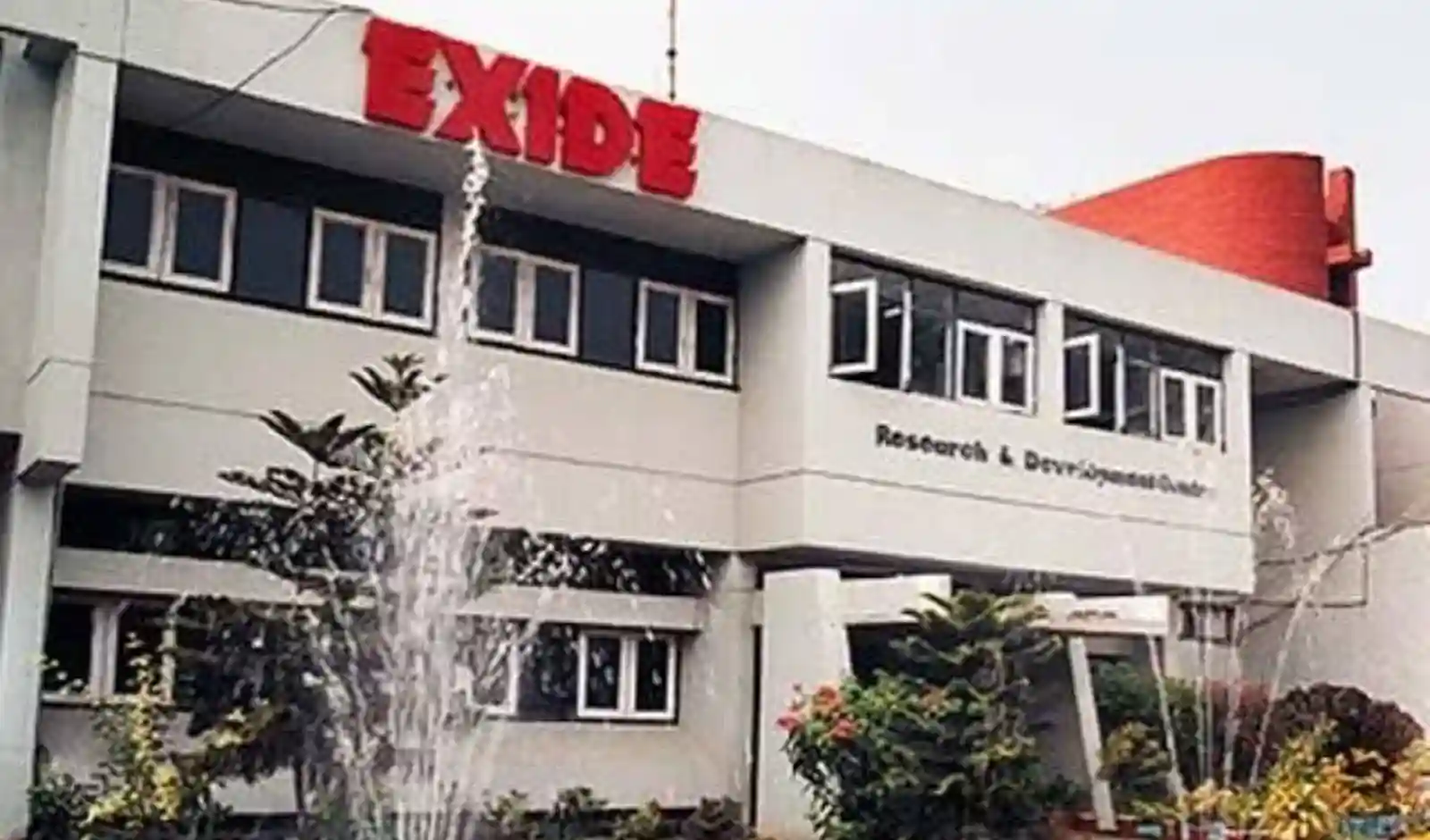
Exide Industries has announced that its battery cell localisation project with Hyundai Motor and Kia is facing delays, although work on the initiative continues. The company clarified that the project is progressing alongside its broader lithium-ion cell manufacturing plans.
Speaking to investors, Exide Industries Managing Director Avik Roy said the Hyundai-Kia collaboration is a parallel project and is separate from the company's 6 GWh lithium-ion cell manufacturing facility being established in Bengaluru.
"The discussions and activities with Hyundai and Kia are progressing in parallel. This is a separate project and it will not be completed in this calendar year or the current financial year," Roy said.
In 2024, Hyundai and Kia partnered with Exide Industries to localise the production of LFP (Lithium Iron Phosphate) battery cells for their electric vehicles in India. The partnership aims to strengthen the local EV battery supply chain and support the automakers' growing EV plans in the country.
Roy said the project is based on a co-investment model and will involve a dedicated customised production line for Hyundai. The facility will not be part of the initial production lines being commissioned at Exide's gigafactory.
"It is a co-investment project and will not require a full production line. It could involve half a line customised for Hyundai. The project is moving forward, although there are delays. We will share updates as it progresses," he added.
However, Exide did not disclose the reasons behind the delay, and it remains unclear whether the slowdown is linked to the co-investment structure, project execution or other factors.
Meanwhile, Exide is preparing for the commercial rollout of its 6 GWh lithium-ion gigafactory in Bengaluru through its subsidiary, Exide Energy Solutions. The company has started customer sample deliveries from its first NMC cylindrical cell production line, marking the first locally manufactured battery cells from the facility.
Sample supplies from the LFP prismatic cell production line for three-wheeler and telecom applications have also commenced. Exide expects the first phase of the 6 GWh plant to begin contributing revenue during the current financial year, with plans to expand the facility's capacity to 12 GWh in the future.
For Hyundai Motor India, battery cell localisation is a key part of its strategy to expand its electric vehicle portfolio. The company first mass-market electric SUV, the Hyundai Creta Electric, has seen slower-than-expected market traction. Hyundai is expected to introduce another electric vehicle during the current financial year as it looks to strengthen its position in India's rapidly growing EV market.


