


 243
/
2
Min Read
243
/
2
Min Read



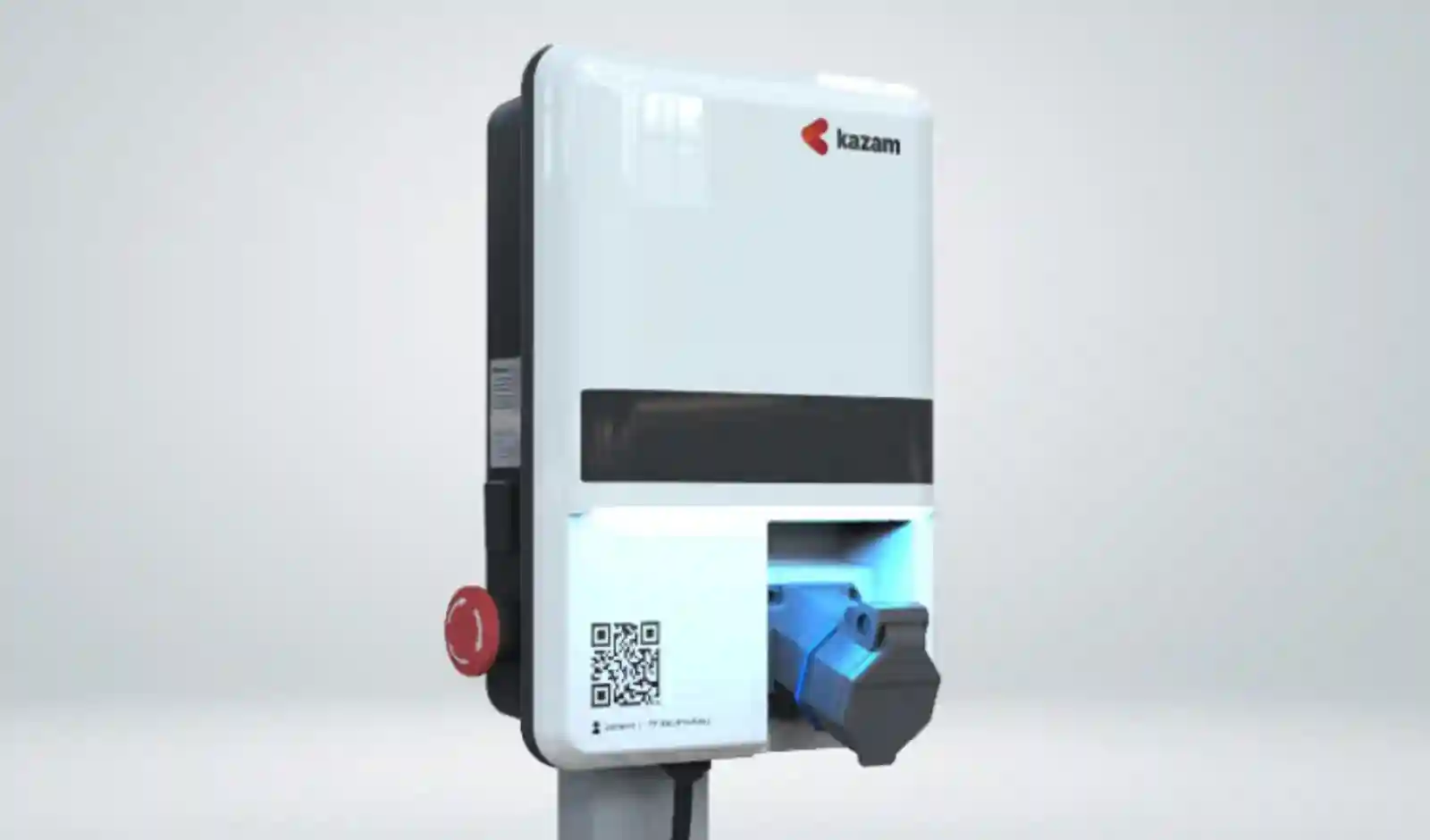
Electricity consumption at public EV charging stations in India could exceed 2,500–3,000 million units in FY27. According to Akshay Shekhar, Co-Founder and CEO of Kazam, the expansion of charging infrastructure and increasing electrification of vehicle fleets are expected to support continued growth in electricity demand. Power consumption at public charging stations has already increased from 465.85 million units in FY24 to 1,558.69 million units in FY26.
Delhi share of public EV charging electricity consumption has declined, although its overall consumption has increased. The capital’s share fell from 43.61% in FY24 to around 27.9% in FY26. During the same period, Delhi’s public EV charging electricity consumption more than doubled from 203.1 million units to 453.3 million units. This indicates that EV charging demand is increasingly spreading beyond Delhi.
Maharashtra, Karnataka, Telangana, Gujarat and Uttar Pradesh are playing an important role in driving EV charging demand. Karnataka and Telangana are witnessing higher consumption due to expanding charging networks and growing EV ecosystems. The increasing presence of EV startups, automakers, fleet operators and digitally aware consumers is also supporting charging demand.
Uttar Pradesh is emerging as another key EV charging market, supported by strong adoption of e-rickshaws and electric three-wheelers, its proximity to the National Capital Region, logistics activity and the expansion of highway and intercity charging networks. Noida, Ghaziabad and Meerut are benefiting from commercial and logistics activity, while Agra, Mathura, Aligarh and Kanpur are contributing through tourism and intercity travel.
The growth in charging consumption in FY27 will depend on the pace of charger deployment and fleet electrification. Meeting rising demand will require more than just installing chargers, with reliable power supply, smart load management, high charger uptime and interoperability also becoming increasingly important. States that combine these elements with continued charging network expansion could play a key role in the next phase of India’s EV charging growth.


