


 155
/
2
Min Read
155
/
2
Min Read


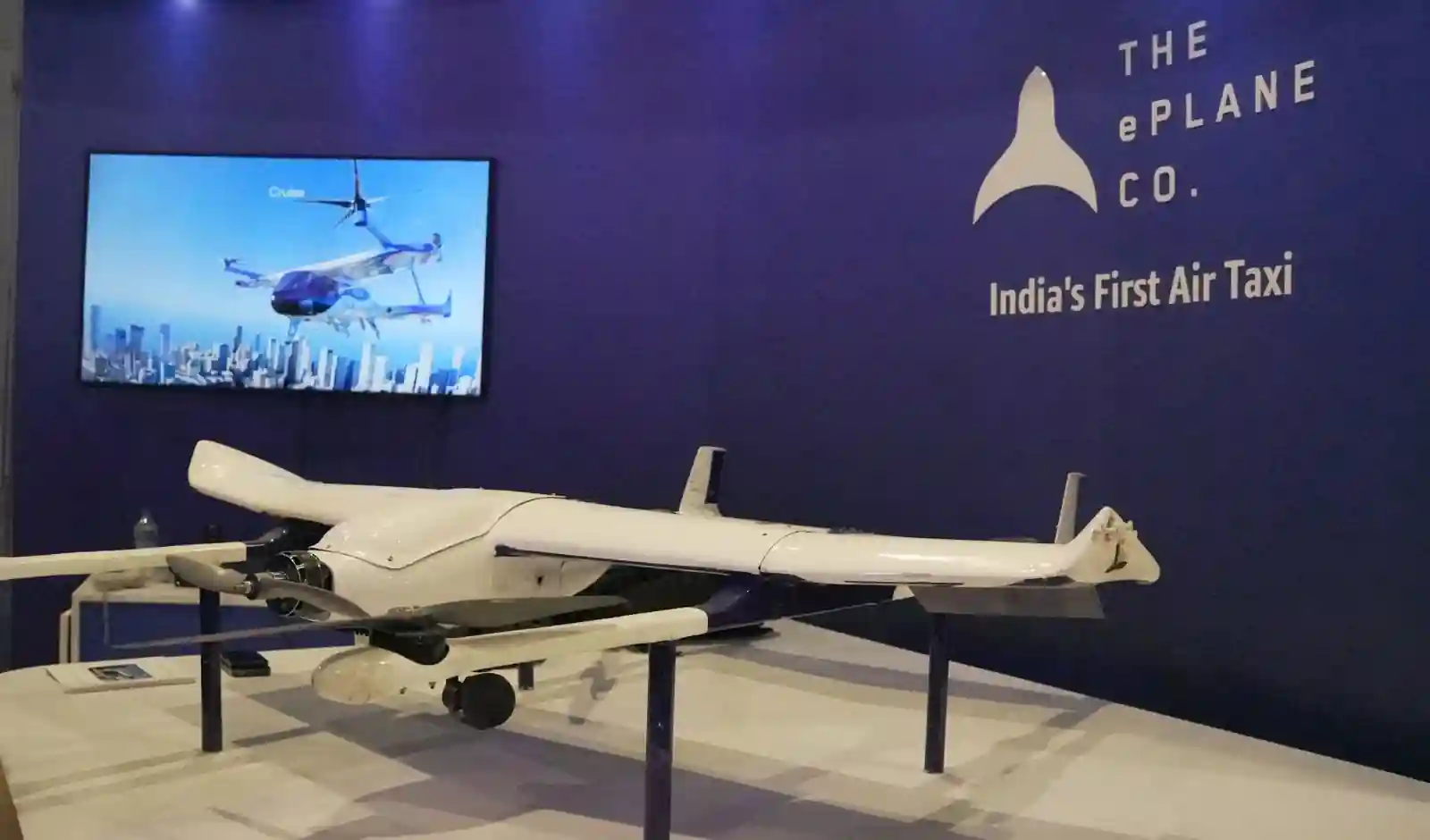
The ePlane Company has announced plans to build India’s first electric air taxi using advanced simulation and computing technologies from NVIDIA. The company will develop a high-fidelity digital twin of its e200x aircraft using NVIDIA Omniverse libraries, setting a new benchmark for aerospace simulation and validation.
The digital twin will enable engineers to simulate complex aerodynamic interactions, sensor behavior, and flight scenarios with physics-accurate precision. By leveraging NVIDIA’s onboard computing platform, the aircraft will integrate multiple sensors—including cameras and radars—to support advanced data fusion, decision-making, and visualization systems designed to enhance pilot situational awareness in urban air mobility operations.
The collaboration addresses one of deep-tech aviation’s biggest challenges: validation. Physical testing of extreme scenarios such as harsh weather, sensor failures, or collision risks is expensive and potentially dangerous. Through virtual testing, the e200x digital twin will allow the aircraft to accumulate millions of kilometers of simulated flight data, training algorithms on real-world scenarios before actual deployment.
Satya Chakravarthy, Founder and CTO of The ePlane Company, said the partnership enables rigorous testing in digital environments to ensure real-world safety and reliability. The company also plans to utilize advanced AI models and high-performance computing infrastructure to accelerate design, certification, and predictive maintenance capabilities.
According to Bakthakolahalan Shyamsundar, the simulation environment allows aircraft systems to be tested across thousands of scenarios, significantly improving safety outcomes. Meanwhile, Vishnu Ramakrishnan emphasized that integrating digital twins with onboard computing lays the foundation for certifying advanced computing platforms for aviation use in India.
Tobias Halloran highlighted that India’s AI startup ecosystem is rapidly expanding, supported by access to advanced computing infrastructure and global innovation programs.
The initiative marks a significant step forward for India’s electric aviation sector, combining indigenous engineering capabilities with global technology partnerships to accelerate the future of urban air mobility.


