


 219
/
2
Min Read
219
/
2
Min Read


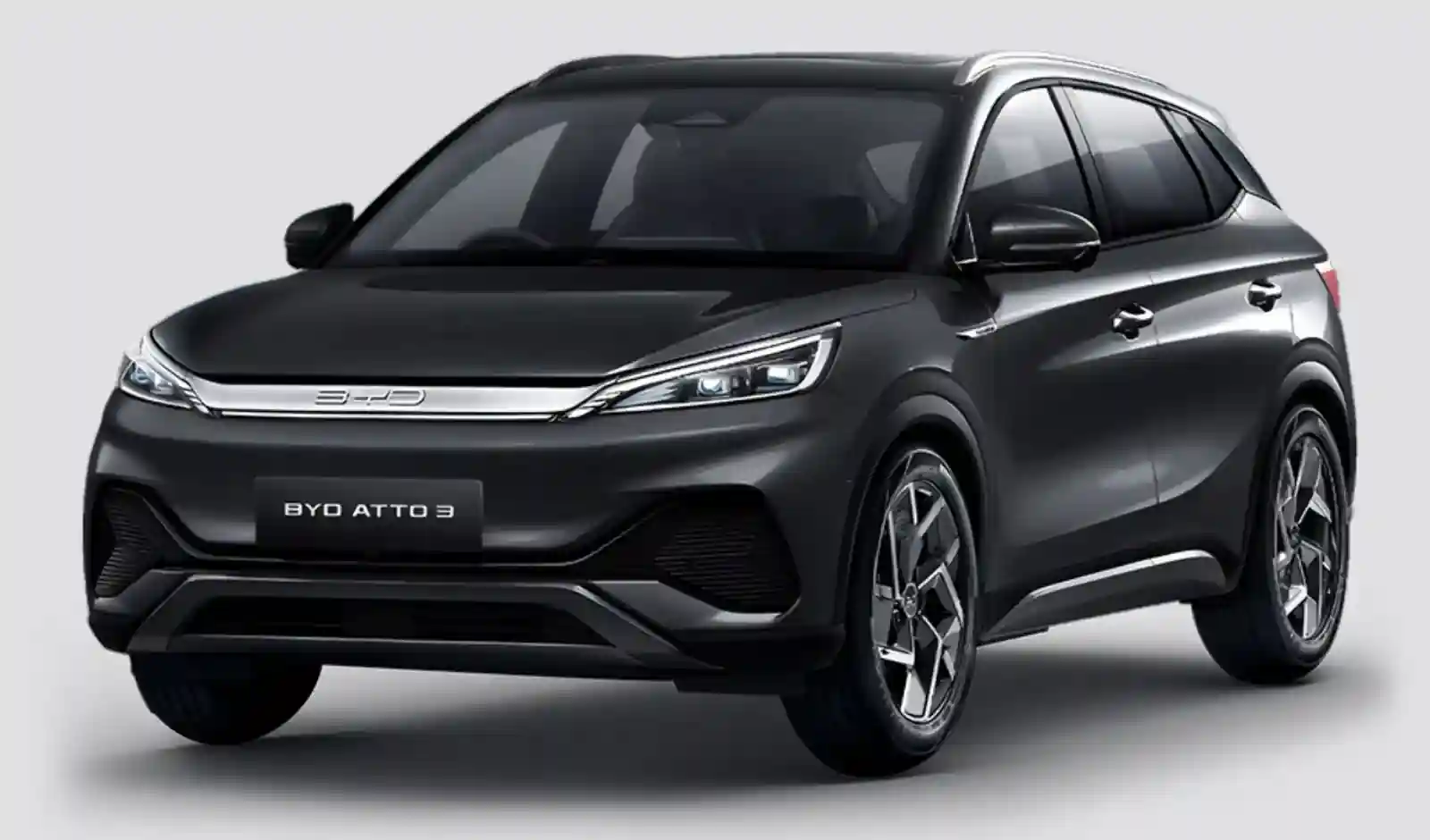
BYD India has announced a price increase of ₹50,000 to 1 lakh across its electric vehicle portfolio, effective May 1. The revision will apply to all models, including the Atto 3 SUV, eMAX 7 MPV, Seal sedan, and Sealion 7 SUV, which are currently priced between ₹24.99 lakh and ₹54.90 lakh (ex-showroom).
According to sources, the hike is aimed at offsetting rising raw material and freight costs, which have been impacting the company’s supply chain that relies heavily on imported models and components.
A key factor behind the cost pressure is the ongoing Strait of Hormuz crisis, which the International Energy Agency has described as the largest disruption in global oil supply. The waterway typically handles around 27% of the world’s seaborne crude oil and petroleum products, and its disruption has driven up Brent crude prices and shipping insurance premiums significantly.
The crisis has also affected key inputs for EV manufacturing. The Gulf region accounts for about 9% of global aluminium output and nearly half of seaborne sulfur trade. Additionally, synthetic graphite—essential for EV battery anodes and derived from petroleum coke—has also been impacted, linking battery costs to disruptions in oil refining.
According to S&P Global Mobility, automakers are currently absorbing a significant portion of these rising costs, but vehicle prices are expected to increase further in the near term.
BYD is particularly exposed to these pressures in India due to its reliance on imports. The company operates over 55 showrooms across the country and is preparing to expand its lineup with the upcoming Atto 2.
The price hike comes at a time when demand in the premium EV segment remains stable, though price sensitivity among buyers continues. The move reflects a broader trend among premium and electric vehicle manufacturers in India, who are adjusting prices to protect margins amid rising input costs.


